Hair Transplant for Diffuse Hair Loss: Is It the Right Solution?
Not every type of hair loss looks the same. Some people develop bald patches or a receding hairline, while others notice their hair becoming thinner across the entire scalp. It happens gradually. One day your hair feels normal, and a few months later, your scalp starts becoming more visible under bright light.
That kind of thinning is often called diffuse hair loss, and it can be confusing because there isn't one obvious bald spot.
If you've been searching for the Best Hair Transplant in Bangalore, you may wonder whether a hair transplant can help with this condition. The answer isn't always a simple yes or no. It depends on the cause of your hair loss, the health of your donor area, and a proper professional evaluation.
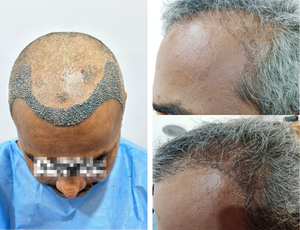
Let's take a closer look.
What Is Diffuse Hair Loss?
Diffuse hair loss refers to overall thinning that happens across large areas of the scalp instead of affecting only one location.
Unlike a receding hairline, the hairline may still appear normal.
The problem is the overall density.
Many people first notice it while styling their hair or looking at old photographs. The ponytail feels thinner. More scalp becomes visible. Hair simply doesn't look as full as it used to.
Small changes.
But emotionally, they can feel very big.
What Causes Diffuse Hair Loss?
There isn't one single cause.
Diffuse thinning may happen because of genetics, hormonal changes, nutritional deficiencies, stress, certain medical conditions, or even some medications.
Sometimes it's temporary.
Sometimes it continues gradually over time.
That's why identifying the actual cause is one of the most important steps before discussing treatment options.
Treating the cause often matters just as much as treating the hair loss itself.
Can a Hair Transplant Help?
In some cases, yes.
In others, it may not be the first recommendation.
A hair transplant works by moving healthy follicles from one part of the scalp to areas that need more coverage. If the donor area is healthy and the hair loss pattern is suitable, transplantation may improve density.
However, if hair is actively thinning across the entire scalp—including the donor area—a transplant may not always provide the desired long-term outcome.
Every case is different.
That is why personalized evaluation matters.
Why Proper Diagnosis Comes First
Imagine building a house on weak ground.
No matter how good the construction is, the foundation still matters.
Hair restoration works the same way.
Before recommending surgery, professionals evaluate whether the thinning is stable, whether donor hair is strong enough, and whether other treatments should be considered first.
Sometimes improving scalp health or managing the underlying condition becomes the priority.
Only then can long-term planning begin.
How Doctors Decide If You're a Good Candidate
Several factors are considered before recommending a transplant.
These include:
- Pattern of hair thinning
- Donor hair quality
- Overall scalp health
- Age
- Medical history
- Future risk of continued hair loss
For patients searching for a hair transplant clinic in bangalore, choosing a clinic that performs detailed assessments instead of rushing into treatment is an important part of achieving natural-looking results.
A proper consultation often answers questions that online research cannot.
Are Other Treatments Sometimes Better?
Yes.
Not everyone with diffuse thinning requires surgery.
Depending on the cause, non-surgical treatments may be recommended to improve hair quality, reduce ongoing hair loss, or strengthen existing follicles.
Sometimes these treatments are used before considering a transplant.
Sometimes they are combined with transplantation for better long-term outcomes.
There is no one-size-fits-all solution.
Setting Realistic Expectations
People experiencing diffuse thinning often hope for immediate volume everywhere.
It's understandable.
But expectations should remain realistic.
Hair transplantation improves selected areas by using available donor hair. It cannot create unlimited density.
The goal is natural improvement.
Not artificial thickness.
Patients who understand this usually feel much more satisfied with their final results.
The Importance of Long-Term Hair Care
Hair restoration doesn't stop after one procedure.
Maintaining healthy hair requires ongoing care, regular follow-ups, proper nutrition, and healthy lifestyle habits.
Stress management also matters.
So does sleep.
Simple things often make a bigger difference than people expect.
Protecting your existing hair is just as important as restoring lost hair.
Conclusion
Diffuse hair loss can be challenging because it affects overall hair density rather than creating obvious bald patches. Whether a hair transplant is the right solution depends on your individual condition, donor hair quality, and the cause of the thinning. A detailed evaluation helps determine the most suitable treatment plan while focusing on natural, long-lasting results rather than quick fixes.
Perfect U - Hair Transplant & Skin Clinic
Address: Welcome's Boulevard, 1993, Major Sandeep Unnikrishnan Rd, Yelahanka Satellite Town, Yelahanka New Town, Bengaluru, Karnataka 560064
Phone: 090357 77641